A U.S. startup is bringing technology originally developed by NASA for Mars rovers down to Earth—applying it to bicycle tires to dramatically improve durability and performance.
A U.S. startup is bringing technology originally developed by NASA for Mars rovers down to Earth—applying it to bicycle tires to dramatically improve durability and performance.
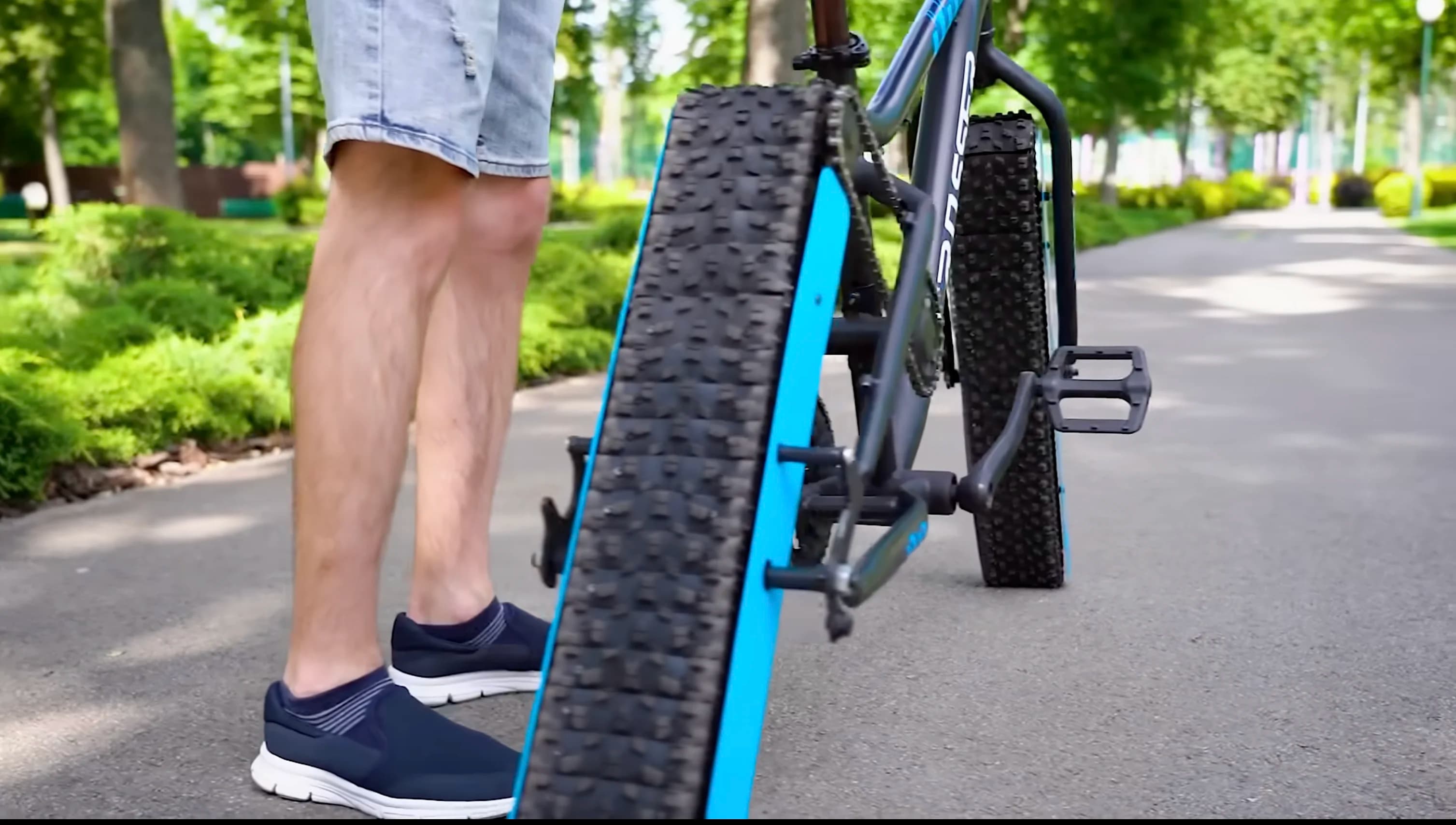
This “super-elastic” tire was first engineered by NASA and is now being commercialized by SMART Tire Company. Its standout feature is that it can’t go flat. The tire is made from NiTinol+ (a nickel–titanium alloy), combining the strength of metal with the flexibility of rubber. The extreme conditions faced by Mars rovers—rugged terrain, lack of roads, and temperatures dropping to -100°C—were the driving force behind this innovation.
SMART Tire’s design leverages shape memory alloy (SMA) technology. This material can be stretched, compressed, or bent and still return to its original form with enough force to keep a vehicle moving. Thanks to molecular-level phase changes, the tire can fully recover its shape even after severe deformation.
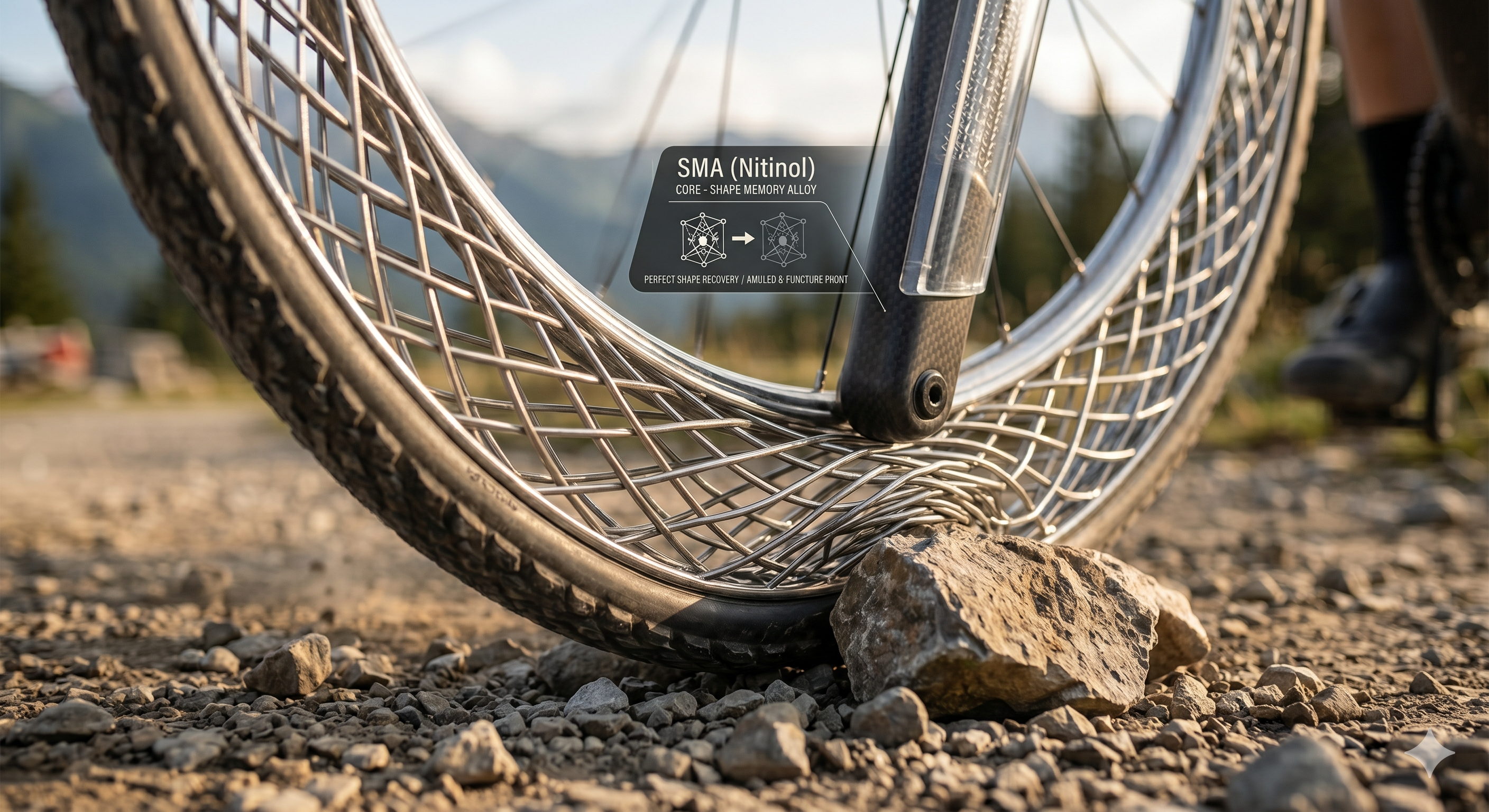
Shape memory alloy (SMA) used for land-based bicycles.
The product, called Metl, is constructed from ultra-thin metal strands woven into a flexible mesh. This structure allows it to adapt to different terrains without needing air, eliminates the risk of punctures, and even provides better traction than traditional pneumatic rubber tires.
In essence, SMA behaves like a built-in shock absorber, helping vehicles move more smoothly over rough, rocky surfaces. NASA initially developed this technology to improve the durability of wheels used on exploration robots such as the Curiosity rover.
According to CEO Earl Cole, what makes SMA unique is its ability to “remember” its shape through molecular transformation under stress—a property rarely found in other materials. This opens the door to a new generation of bicycles that are lighter, tougher, and immune to flat tires.
SMART Tire plans to bring Metl to market soon. Looking ahead, NASA believes the technology could be adapted for other vehicles, including scooters, trucks, and passenger cars. For now, however, the company is focusing on two-wheeled applications to further refine the product.
The technology transfer was made possible through NASA’s Startup Studio program, which connects businesses with space-developed innovations for commercial use. NASA representatives say they will continue refining the material to support future generations of exploration robots.
As for real-world applications, Metl tires are most likely to appear first in public bike-sharing systems. Their “never-flat” advantage makes them ideal for fleets that require low maintenance across large numbers of bikes. Riders in these systems typically prioritize convenience over performance, making them a practical testing ground for the technology.

SMART Tire has already partnered with the shared mobility service Spin to begin early deployment. According to Calvin Young—an avid cyclist who first conceived the idea during his internship at NASA—bicycles are the lowest-risk entry point before expanding into other industries.
While further testing is still needed, the vision of tires that never go flat is no longer far-fetched. In just a few years, this technology could become common on everyday bicycles. And if you’re hoping to try it out early, you’re more likely to find it in a public bike-sharing system than in enthusiast cycling circles.